
The evolution of gambling tracing the roots and history of games of chance
The Ancient Origins of Gambling
The practice of gambling can be traced back thousands of years, with evidence of games of chance found in ancient civilizations such as Mesopotamia and China. Archaeological findings indicate that rudimentary dice made from animal bones were used around 3000 BCE. In ancient China, a game resembling modern-day keno was played, suggesting that the concept of betting on outcomes has deep roots. These early forms of gambling laid the groundwork for more complex gaming structures to evolve over time, which can be explored further at https://ringospin.co/en-au/.

As societies progressed, gambling also found a place in religious and social rituals. For instance, the ancient Greeks and Romans often engaged in betting during athletic competitions. Events like the Olympic Games featured not only the glory of victory but also the thrill of wagering on the outcomes. Such practices reflected the cultural significance of chance and fortune within these societies, demonstrating that gambling was not merely a pastime but a means of social interaction and economic exchange.
The legalization and regulation of gambling activities began to take shape in various cultures, with ancient Rome being a notable example. The Roman Empire recognized betting as a significant part of entertainment, and they instituted rules to govern its practice. This early acknowledgment of gambling’s societal role foreshadowed later developments in gaming regulation, leading to the structured environments we see today.
The Middle Ages and Renaissance: A Turning Point
The Middle Ages marked a pivotal time in the evolution of gambling, particularly with the emergence of card games. Originating in China and spreading through trade routes, card games gained popularity in Europe. By the 14th century, decks of cards were commonplace, with games like tarocchi and later, poker, evolving from this lineage. The introduction of cards transformed gambling into a more strategic endeavor, differing from games of pure chance like dice.
The Renaissance further enriched gambling culture with the establishment of formal gaming houses. These establishments provided a regulated space for gambling and attracted a diverse clientele. The rise of these venues contributed to a burgeoning gambling economy, with patrons not only participating in games but also enjoying luxurious surroundings. The notion of gambling began to shift from a mere diversion to an integral aspect of social life and leisure.
The complexity of gambling during this time was also mirrored in the legal structures that began to emerge. Authorities began regulating gambling houses, enforcing rules to mitigate cheating and fraud. These regulations reflected society’s growing awareness of gambling’s potential dangers, as well as its capacity to generate revenue for state coffers. Thus, the foundations for modern gambling laws began to take shape during this period.
The Birth of Modern Gambling in the 19th Century
The 19th century witnessed a significant transformation in gambling, particularly with the advent of casinos. The first official casino, the Casino di Venezia, opened in Italy in 1638, but the explosion of gambling venues took place during the 1800s. Cities like Monte Carlo became synonymous with luxury gaming experiences, attracting the elite and establishing a glamorous image for casinos that persists today. This era marked the birth of games that we now recognize, such as roulette and blackjack.
The proliferation of casinos led to an increasing public fascination with gambling, resulting in innovative gaming experiences. The introduction of slot machines in the late 19th century further revolutionized the gambling landscape. These mechanical devices offered players an accessible and exciting way to gamble, culminating in the iconic one-armed bandits that many still enjoy. The rise of these machines highlighted gambling’s evolution into an entertainment industry, drawing millions of players worldwide.
As gambling gained popularity, governments began to recognize its potential for taxation. States began implementing regulations to benefit from the booming casino industry, creating a framework that allowed for legal gambling in various forms. This shift not only formalized gambling as a legitimate activity but also sparked debates about ethics, responsibility, and the social implications of widespread gaming. The 19th century thus serves as a critical juncture in the evolution of gambling, marking the transition into modern practices.
The Digital Revolution and Online Gambling
The late 20th century ushered in a new era of gambling with the rise of the internet. Online casinos began to emerge in the mid-1990s, changing how people interacted with games of chance. The ability to gamble from the comfort of home, without the constraints of physical locations, opened up new avenues for players. Initially, online gambling faced skepticism, but advancements in technology and security transformed it into a mainstream activity.
The introduction of live dealer games marked a significant milestone, bridging the gap between online and traditional gambling experiences. Players could engage with live dealers through video streaming, combining the convenience of online gaming with the social elements found in physical casinos. This innovation helped to foster a sense of community and authenticity, attracting a diverse range of players seeking a more immersive experience.
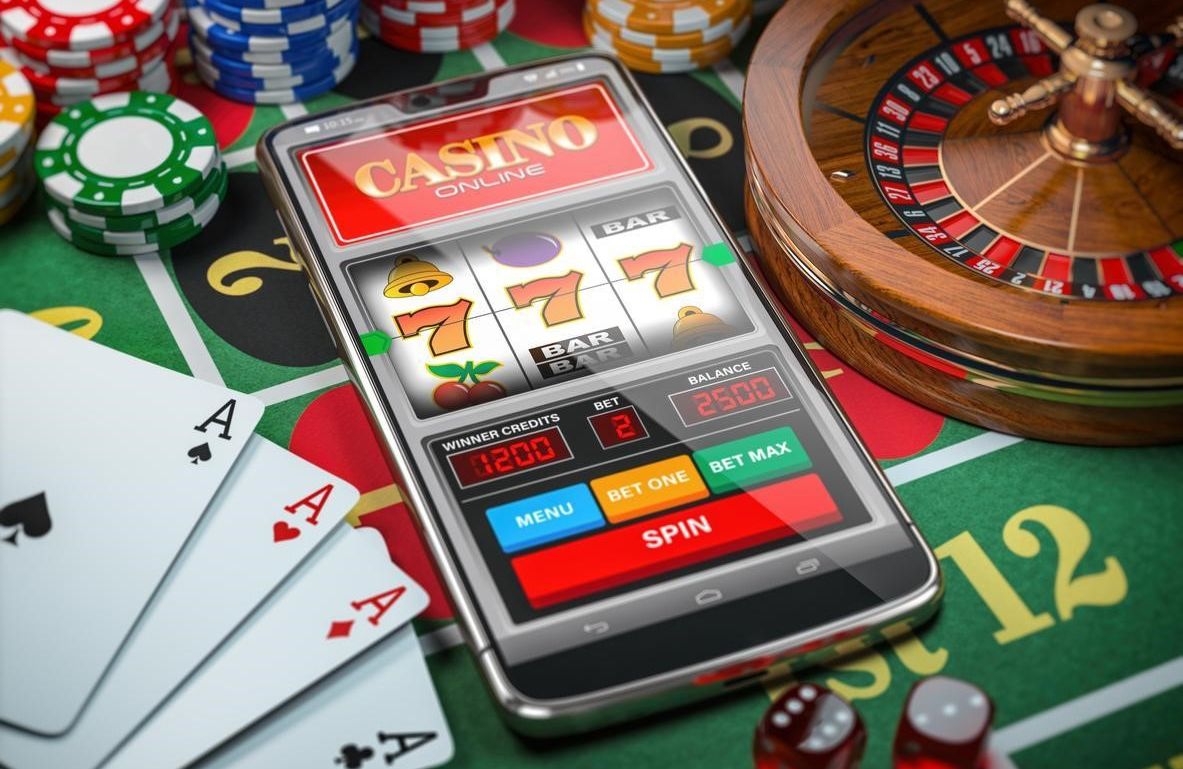
The online gambling industry continues to evolve, with mobile gaming becoming increasingly popular. The proliferation of smartphones has made gambling accessible to a broader audience, allowing users to play anytime and anywhere. Additionally, the integration of cryptocurrency has introduced a new dimension to online gambling, providing users with more anonymity and security in their transactions. This digital evolution has reshaped the gambling landscape, making it more adaptable and expansive than ever before.
The Role of RingoSpin in Modern Gambling
As the landscape of gambling continues to evolve, RingoSpin stands out as a premier online casino tailored specifically for Australian players. With an impressive library of over 6,000 games, including pokies, live dealers, and traditional table games, RingoSpin offers a diverse range of options to cater to all preferences. The platform’s commitment to providing an extensive gaming experience ensures that players are never short of entertainment.
RingoSpin prioritizes user experience by offering a generous AU$5,000 welcome bonus and weekly cashback rewards of up to 25% on losses. Such initiatives foster a welcoming environment for both newcomers and seasoned players. Moreover, the site emphasizes fast payouts and supports various payment methods, including PayID and cryptocurrency, ensuring seamless transactions and making it easy for players to deposit and withdraw their winnings.
In addition to its wide array of games and user-friendly features, RingoSpin places a strong emphasis on security and responsible gambling. The site employs advanced security measures to protect player information and promote a safe gaming environment. With 24/7 customer support available, RingoSpin is dedicated to providing players with a reliable and enjoyable gaming experience, solidifying its position in the modern gambling world.