
The cultural significance of gambling across societies
The Historical Roots of Gambling
The origins of gambling can be traced back to ancient civilizations, where games of chance were often interwoven with cultural practices and societal norms. Archaeological evidence suggests that games involving dice were played in Mesopotamia around 3000 BCE. In these early societies, gambling served multiple purposes: as a form of entertainment, a means to settle disputes, and a way to engage in rituals. Interestingly, those drawn to places like Donbet casino exemplify how the relationship between gambling and culture has evolved, yet its foundational aspects remain deeply embedded in human behavior.
In ancient Rome, gambling was not only a leisure activity but also a societal fixture. The Romans embraced betting on chariot races and gladiatorial contests, which were reflective of their values around competition and valor. This practice highlighted the interplay between gambling and social status, as wealthy citizens often engaged in high-stakes betting, thereby reinforcing their elite position. Understanding these historical contexts helps illuminate how gambling continues to influence cultural dynamics across various societies.
As civilizations progressed, so did the forms of gambling. In medieval Europe, for instance, the establishment of card games and lotteries became popular among different classes, indicating that gambling had transcended social barriers. It became a way for individuals to express their aspirations and dreams, often manifesting in the hopes of striking it rich. The adaptive nature of gambling showcases its enduring relevance and cultural significance through the ages.
The Role of Gambling in Social Structures
Gambling serves as a critical social activity in many cultures, providing a space for community bonding and interaction. In various indigenous cultures, traditional games of chance are often integral to festivals and gatherings, where gambling acts as a catalyst for social cohesion. For example, the use of betting in rituals can strengthen communal ties and foster a sense of belonging. This communal aspect highlights how gambling can function beyond mere entertainment, shaping social relationships and collective identity.
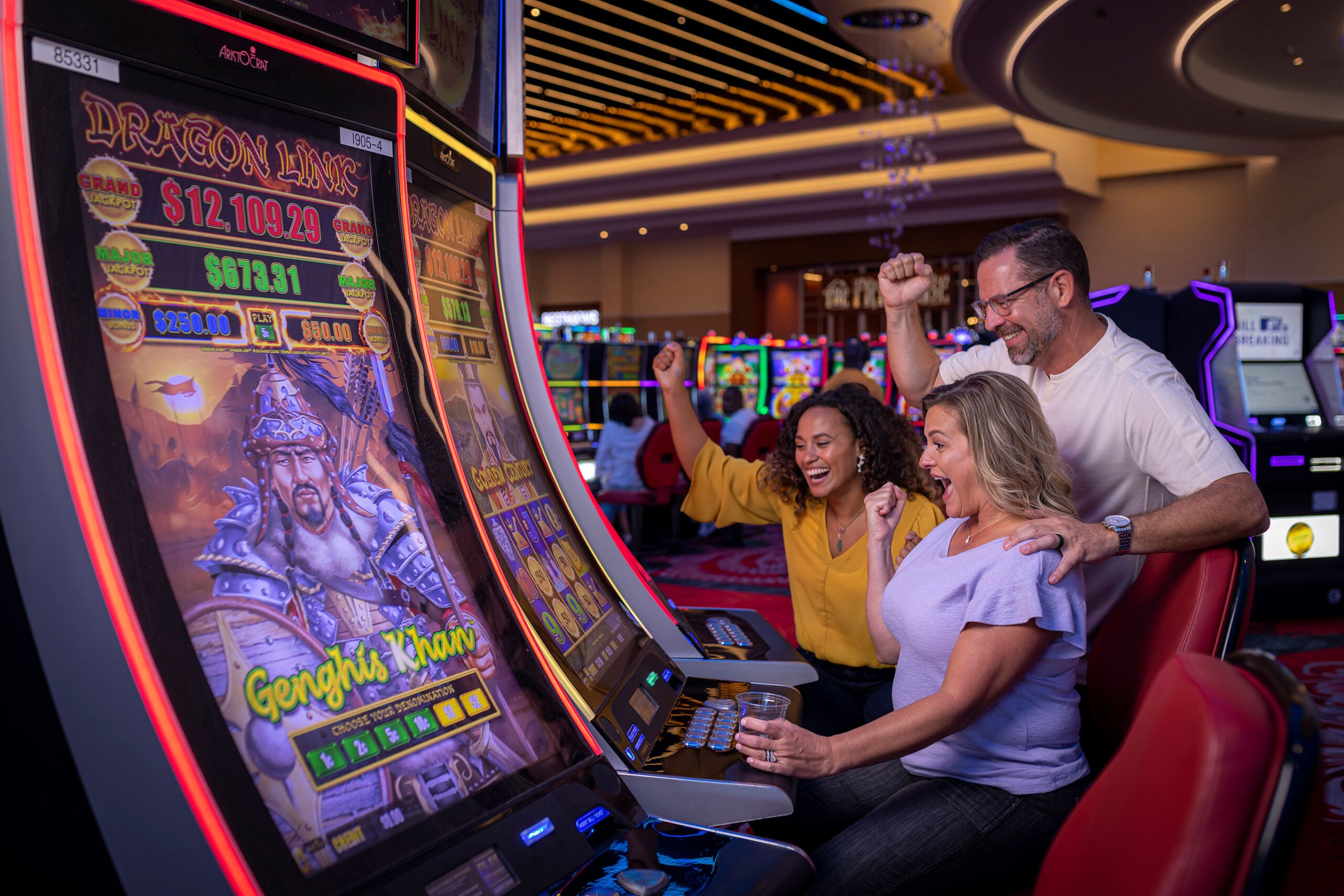
The modern casino, a prominent hub for gambling today, continues to reflect this social dynamic. These establishments often attract diverse groups, providing a venue for socializing, networking, and shared experiences. Casinos promote not only individual entertainment but also community engagement through events and competitions, reinforcing social bonds. The environment created within these spaces often embodies the cultural values surrounding luck and chance, fostering an atmosphere of excitement and shared hopes.
Additionally, the impact of gambling on social behavior is noteworthy. While it can strengthen community ties, it can also lead to social challenges, such as addiction and financial distress. Societies must navigate this duality, balancing the enjoyment of gambling with the responsibility of addressing its potential risks. Understanding this complex relationship allows for a more nuanced view of gambling’s role in contemporary social structures.
Cultural Perceptions and Stigmas
The perception of gambling varies widely across cultures, influenced by historical, religious, and social contexts. In some societies, gambling is celebrated and integrated into cultural traditions, while in others, it is viewed with skepticism or outright disapproval. For instance, in many Asian cultures, gambling is often associated with luck and prosperity, deeply ingrained in festivities such as Lunar New Year celebrations. Here, gambling is not merely an individual pursuit but a collective cultural expression.
Conversely, in regions where religious beliefs discourage gambling, such as in certain Islamic societies, the activity is heavily stigmatized. The notion of fate and divine intervention often governs attitudes towards gambling, leading to stricter regulations and societal pressures against participation. This dichotomy illustrates the complexity of gambling as a cultural phenomenon, highlighting the tension between tradition, morality, and modernity.
Moreover, as globalization permeates various aspects of life, the spread of gambling culture has sparked debates around its ethical implications. The proliferation of online gambling platforms has intensified these discussions, as individuals navigate between cultural acceptance and the potential for addiction. The need for awareness and education is crucial in addressing the cultural perceptions surrounding gambling, fostering a more informed dialogue about its societal implications.
The Impact of Celebrity Gamblers
Celebrity gamblers have played a significant role in shaping public perceptions of gambling, often glamorizing the activity through their high-stakes wagers and lavish lifestyles. Figures like Ben Affleck, who famously won a substantial amount at blackjack, and sports legends like Michael Jordan, known for their betting habits, have created narratives that associate gambling with success and prestige. These stories serve to attract a wider audience, often appealing to aspirational sentiments among fans.
The allure of celebrity gamblers also contributes to the normalization of gambling within popular culture. Movies, television shows, and social media frequently showcase glamorous casino environments, further romanticizing the experience. This portrayal can create unrealistic expectations, leading individuals to perceive gambling as an easy route to wealth and success. The interplay between celebrity culture and gambling underscores the importance of critical engagement with the narratives being presented.
Additionally, the presence of celebrities in gambling can impact the industry’s marketing strategies. Companies often leverage the popularity of high-profile figures to promote their brands, using endorsements that resonate with the public. This symbiotic relationship not only boosts business but also influences cultural attitudes towards gambling, often blurring the lines between entertainment and reality. Understanding these dynamics is essential for grasping the broader cultural significance of gambling in contemporary society.

Exploring Online Gambling Culture
The rise of online gambling has dramatically transformed the landscape of this industry, giving it a global reach that transcends geographic and cultural boundaries. Virtual platforms allow individuals to engage in gambling from the comfort of their homes, promoting accessibility and convenience. This shift has led to an evolution in how communities engage with gambling, as traditional social settings evolve into digital experiences that reflect modern lifestyles.
Online gambling has also spawned unique cultural phenomena, such as live dealer games and virtual reality casinos. These innovations create immersive experiences that mimic the thrill of being in a physical casino while expanding the types of games available. The digital realm fosters a sense of community, as players from different backgrounds interact and share experiences, thus blending cultural narratives in novel ways.
However, the rapid growth of online gambling also raises important questions about regulation, ethics, and responsible gaming practices. As more individuals participate in online betting, societies must grapple with issues related to addiction and consumer protection. Navigating this complex landscape requires a nuanced understanding of the cultural implications of online gambling and a commitment to promoting healthy gambling behaviors.